
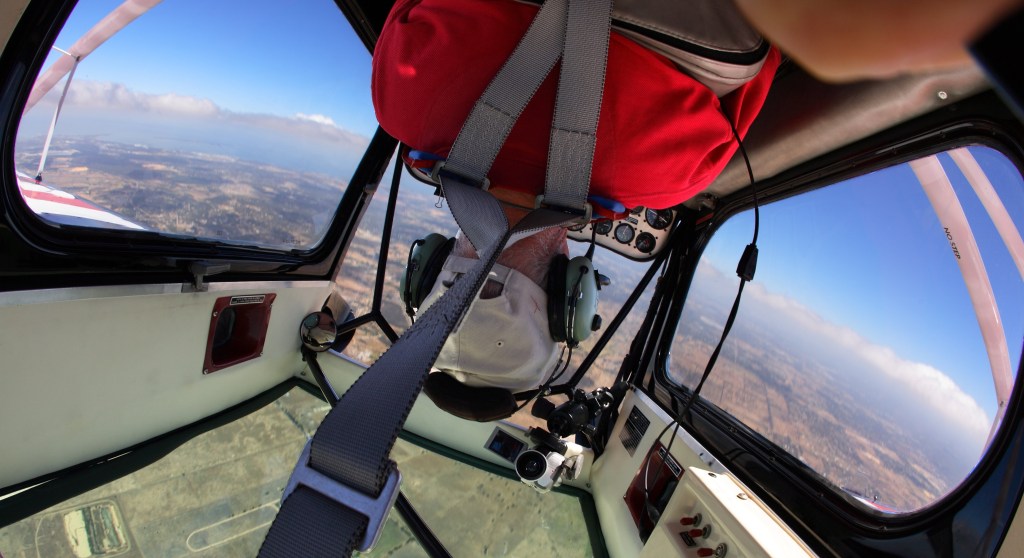
UPSET PREVENTION & RECOVERY TRAINING
Be ready for the unexpected.
Develop the awareness, aircraft-control skills, and recovery discipline needed to recognize an upset early, prevent it from developing, and recover effectively when normal flight is lost.
WHY UPRT?
Recognition and prevention come before recovery.
Loss of control in flight can develop quickly when angle of attack, energy state, bank, pitch, or control coordination move beyond the pilot’s expectations. UPRT is designed to make those conditions more recognizable and less surprising.
Training emphasizes prevention first: understanding how an upset develops, recognizing the cues early, and correcting the situation before it becomes extreme. Recovery skills are then practiced so that the pilot has a disciplined response when prevention is no longer enough.
At a glance
- Program focus: prevention, recognition, and recovery
- Syllabus: six progressive training units
- Ground / preflight discussion: approximately 3.25 hours
- Flight training: approximately 4.0 hours
- Aircraft: Citabria 7ECA and Decathlon 8KCAB
- Planning budget: approximately $1,500
WHAT YOU’LL LEARN
Build a better mental model of the airplane.
UPRT connects aerodynamics with what the pilot sees, feels, and must do in real time. The goal is not memorizing one recovery script; it is understanding the priorities that apply across a wide range of upset situations.
Angle of attack
Recognize how angle of attack, load factor, bank, pitch, and control inputs affect stall margin—and why an airplane can stall in attitudes that do not look like a conventional training stall.
Energy management
Understand the trade between altitude, airspeed, pitch, load factor, and power so that recovery decisions are based on the airplane’s actual energy state rather than a memorized attitude.
Recovery priorities
Learn to unload when necessary, manage angle of attack, stop inappropriate roll or yaw, regain a safe flightpath, and apply power appropriately without creating a secondary loss of control.
THE TRAINING PROGRAM
Six progressive units from awareness to proficiency.
Foothill’s UPRT syllabus builds understanding first, then adds progressively more demanding maneuvering and recovery tasks. Each unit prepares you for the next rather than treating unusual attitudes, stalls, and spins as isolated subjects.
01
Academic foundations
Review upset definitions, angle of attack, load factor, energy management, aircraft limitations, human factors, and the prevention-first philosophy that guides the entire program.
02
Stalls & introduction to upsets
Explore stall cues, accelerated stalls, unusual attitudes, control effectiveness, and the relationship between load factor and critical angle of attack.
03
Developing recovery proficiency
Practice recognizing and recovering from increasingly varied nose-high, nose-low, banked, and high-energy upset situations while applying consistent recovery priorities.
04
Spin aerodynamics
Connect yaw, stall asymmetry, autorotation, angle of attack, and spin phases so that spin prevention and recovery make aerodynamic sense rather than feeling like a disconnected maneuver.
05
Incipient spin prevention & recovery
Recognize developing autorotation early, reduce angle of attack, stop inappropriate yaw, and recover before a full spin develops whenever possible.
06
Final proficiency & confidence
Integrate prevention, recognition, and recovery in realistic scenarios until your response is controlled, prioritized, and based on the airplane’s actual energy and angle-of-attack state.
Download the Upset Prevention and Recovery Training Syllabus v1.0 (PDF)
TRAINING AIRCRAFT
Train in aircraft designed for maneuvering.
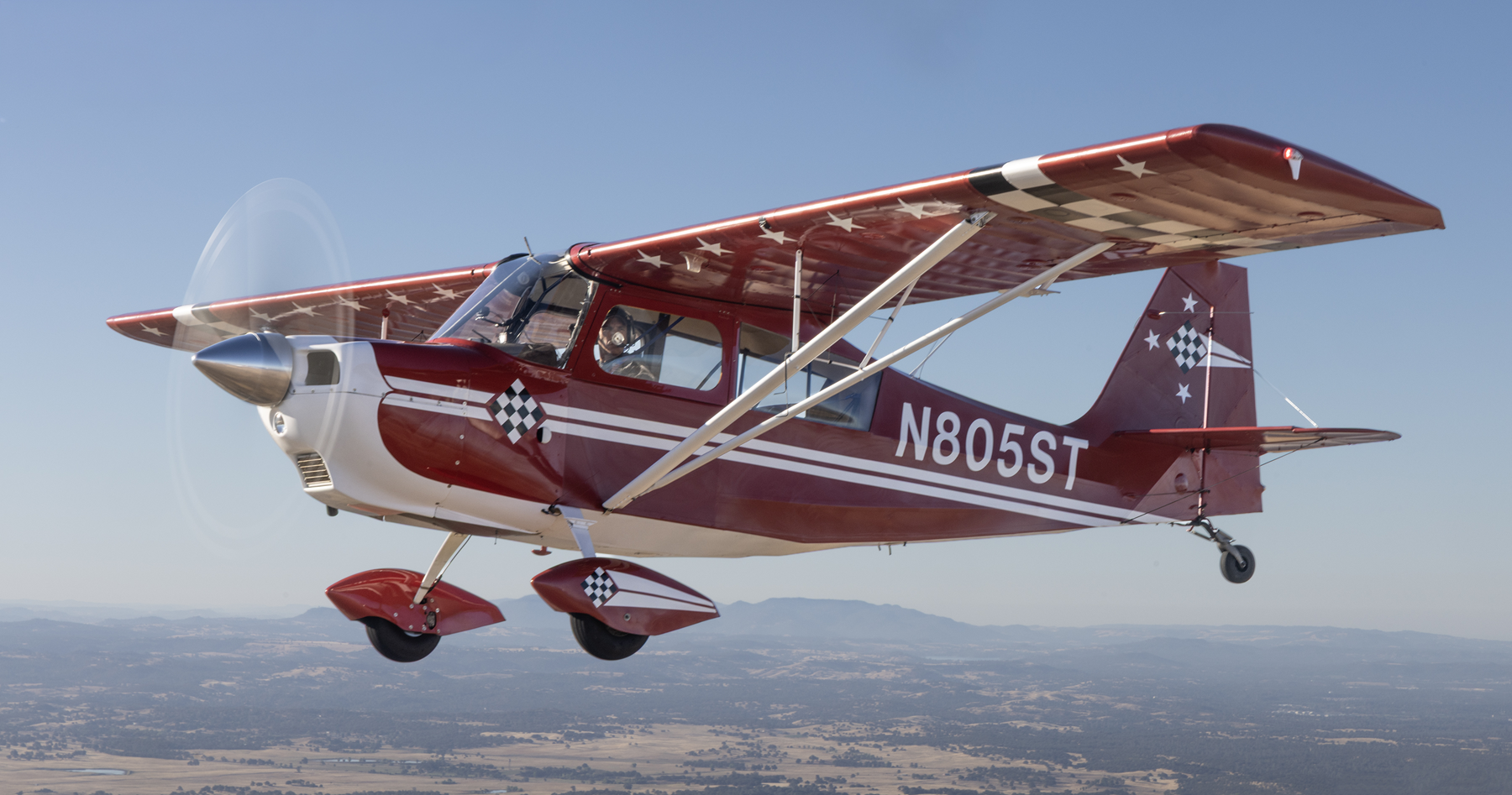
Foothill uses the Bellanca Citabria 7ECA and Bellanca Decathlon 8KCAB for UPRT. Both provide direct control feedback and are well suited to the maneuvering, stall, and spin-related portions of the program.
The Citabria rents for $175 per hour wet, and the Decathlon rents for $185 per hour wet. Instruction is $100 per hour.
RECOMMENDED BUDGET
Plan approximately $1,500.
The UPRT syllabus includes approximately 3.25 hours of ground or preflight discussion and 4.0 hours of flight training. Actual time can vary with experience, proficiency, weather, and the aircraft used, so this is a planning estimate rather than a fixed-price package.
Current planning rates
Citabria 7ECA:
$175/hour wet
Decathlon 8KCAB:
$185/hour wet
Instruction:
$100/hour
Example syllabus-based planning model
- 4.0 flight hours in the Citabria: 4 × $175 = $700
- 4.0 hours flight instruction: 4 × $100 = $400
- 3.25 hours ground / preflight discussion: 3.25 × $100 = $325
- Estimated total: $1,425
For simple planning, we recommend budgeting approximately $1,500. Using the Decathlon for some or all flights, or requiring additional proficiency training, can increase the total.
WHO SHOULD TAKE UPRT?
Useful for pilots at almost any experience level.
UPRT is especially valuable for pilots who want stronger stall awareness, better energy management, greater confidence outside routine maneuvering, or a more complete understanding of how an airplane behaves near the edges of its normal operating envelope.
It can also be a valuable complement to instrument training, commercial training, recurrent proficiency, aerobatic training, or flight instructor development.
Skills you’ll develop
- Upset recognition
- Angle-of-attack awareness
- Accelerated-stall awareness
- Energy management
- Nose-high and nose-low recovery
- Bank and roll management
- Incipient-spin recognition
- Spin prevention and recovery concepts
- Disciplined recovery priorities
Ready to expand your aircraft-control skills?
Tell us about your experience and training goals. We’ll build a UPRT plan that develops understanding first, then turns that knowledge into practical prevention and recovery skill.

