
SPIN TRAINING
Understand the stall. Understand the spin.
Develop a practical understanding of stall progression, autorotation, spin phases, and recovery while building confidence near the edges of the flight envelope.
WHY SPIN TRAINING?
A spin makes more sense when you understand how it begins.
A spin is not simply an airplane turning downward. It is an aggravated stall with autorotation, created by a combination of excessive angle of attack and yaw. Understanding that relationship makes both prevention and recovery more logical.
Spin training develops better recognition of stall progression, skidding and slipping flight, yaw near the stall, incipient autorotation, and the control inputs required to recover. The goal is to replace surprise with understanding and disciplined response.
At a glance
- Syllabus: five progressive training units
- Ground / preflight discussion: approximately 4.0 hours
- Flight training: approximately 4.0 hours
- Primary aircraft: Bellanca Citabria 7ECA
- Aircraft rate: $175/hour wet
- Instruction: $100/hour
- Planning budget: approximately $1,500
CFI SPIN ENDORSEMENT
Instructional proficiency is the standard for CFI applicants.
For an airplane Flight Instructor applicant, 14 CFR § 61.183(i) requires flight training and a logbook endorsement showing instructional proficiency in stall awareness, spin entry, spins, and spin recovery procedures in an airplane that is certificated for spins.
For CFI applicants
The objective is more than performing a recovery. You must be able to explain the aerodynamics, demonstrate entries and recoveries, identify common errors, manage risk, and teach the maneuver from the instructor’s perspective.
For already-certificated pilots
The same training can be used as a proficiency course for pilots who want better stall/spin awareness, a spin refresher, or more confidence recognizing and correcting the conditions that lead to autorotation.
The prevention lesson
One of the most valuable outcomes is learning to recognize the combination of stall and yaw before a spin develops. Good spin training makes prevention, not recovery, the first line of defense.
FAA reference: 14 CFR § 61.183(i). The endorsement is based on instructional proficiency rather than a specified minimum number of spin-training hours.
THE TRAINING PROGRAM
Five stages from aerodynamic understanding to instructional proficiency.
Foothill’s spin-training syllabus develops the subject progressively. You first build the aerodynamic foundation, then connect slips, skids, stalls, and yaw to autorotation before moving into spin orientation and instructional-level performance.
01
Aerodynamics
Review angle of attack, stalls, load factor, yaw, stability, control effectiveness, and the aerodynamic conditions that create and sustain autorotation.
02
Slips, skids & stalls
Explore coordinated and uncoordinated flight near the stall, including how rudder use, cross-control inputs, and increasing angle of attack can create the conditions for an incipient spin.
03
Spin aerodynamics
Study the incipient, developed, and recovery phases of a spin, the role of yaw and asymmetric stall, aircraft-specific behavior, and why the approved recovery procedure works.
04
Spin orientation
Experience intentional spin entries, identify visual and physical cues, observe rotation and nose attitude, and practice prompt recovery using the aircraft’s approved procedure.
05
Instructional proficiency
For CFI applicants, the final stage focuses on teaching: briefing the maneuver, demonstrating correctly, coaching another pilot, recognizing errors, managing altitude and risk, and explaining recovery priorities clearly.
Download the Flight Instructor Spin Training Syllabus v1.0 (PDF)
FEATURED AIRCRAFT
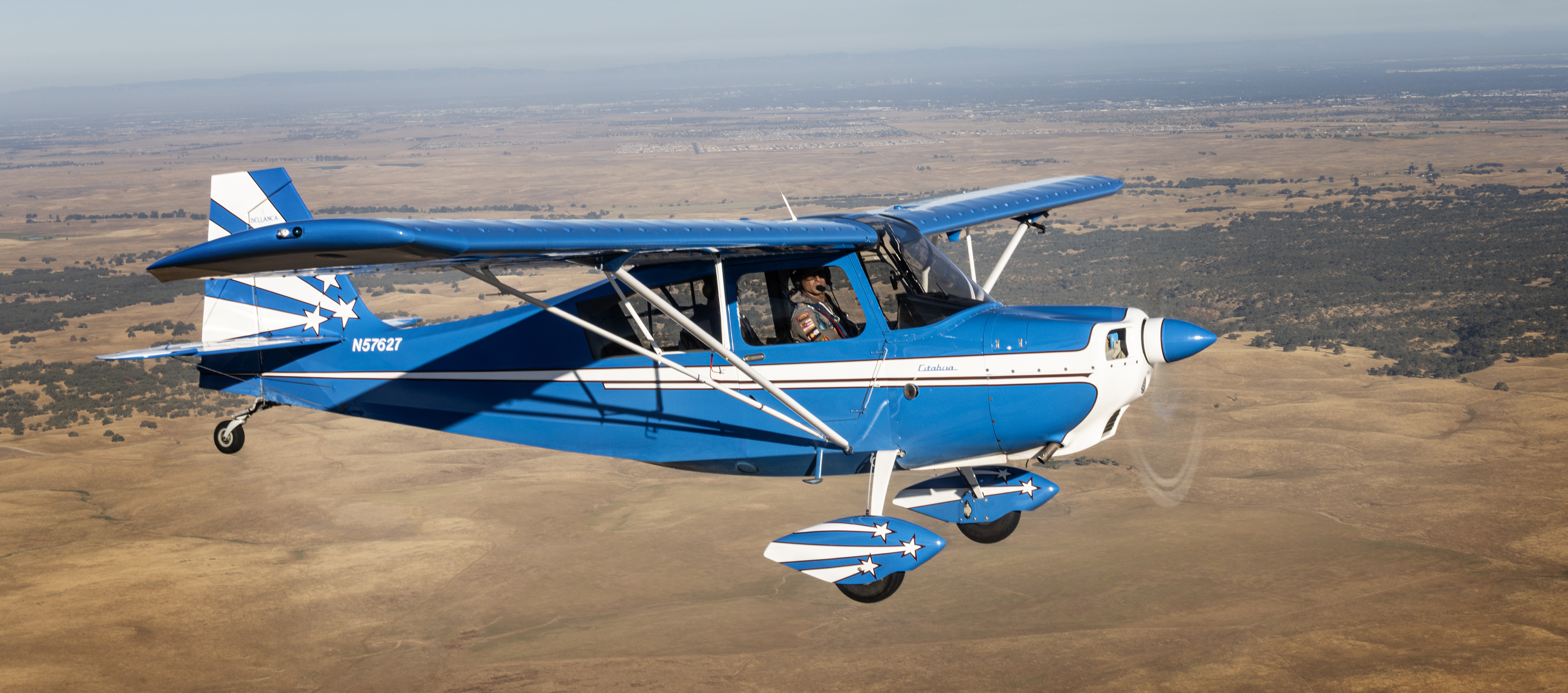
Train in the Bellanca Citabria 7ECA.
Foothill’s Citabria is certificated for intentional spins and provides the direct control feedback, visibility, and straightforward handling needed for effective stall-and-spin training.
The airplane rents for $175 per hour wet. Flight and ground instruction are currently $100 per hour.
RECOMMENDED BUDGET
Plan approximately $1,500.
The Flight Instructor Spin Training syllabus includes approximately 4.0 hours of ground or preflight discussion and 4.0 hours of flight training. Actual time can vary with previous experience and proficiency, so this should be treated as a planning estimate rather than a fixed-price package.
Current planning rates
Citabria 7ECA:
$175/hour wet
Flight or ground instruction:
$100/hour
Syllabus-based planning model
- Aircraft: 4.0 hours × $175 = $700
- Flight instruction: 4.0 hours × $100 = $400
- Ground / preflight discussion: 4.0 hours × $100 = $400
- Estimated total: $1,500
Some pilots may complete the required training in less time, while others may need additional practice to reach instructional proficiency and receive the endorsement.
WHO SHOULD TAKE THIS TRAINING?
For CFI applicants—and pilots who want to understand spins firsthand.
The course is designed around the instructional proficiency required of airplane CFI applicants, but it is also useful for current instructors seeking a refresher and for certificated pilots who want a deeper, hands-on understanding of stall/spin aerodynamics and recovery.
Skills you’ll develop
- Stall and angle-of-attack awareness
- Slip and skid recognition
- Yaw control near the stall
- Incipient-spin recognition
- Spin entry and orientation
- Developed-spin awareness
- Approved recovery procedures
- Altitude and risk management
- Instructional demonstration and critique for CFI applicants
Ready to understand spins beyond the textbook?
Tell us whether you are preparing for an initial CFI certificate, refreshing an existing endorsement, or simply want practical spin experience. We’ll tailor the training to your background and objectives.

